
The history of British Columbia is full of interesting facts. Thanks to the painstaking work of archaeologists, historians and local lore specialists, we have the opportunity to learn about the fascinating events that once took place in the territory of the province.
Each local settlement is, without any exaggeration, a guardian of the secrets and mysteries of indigenous peoples, the development of industry, culture and traditions.
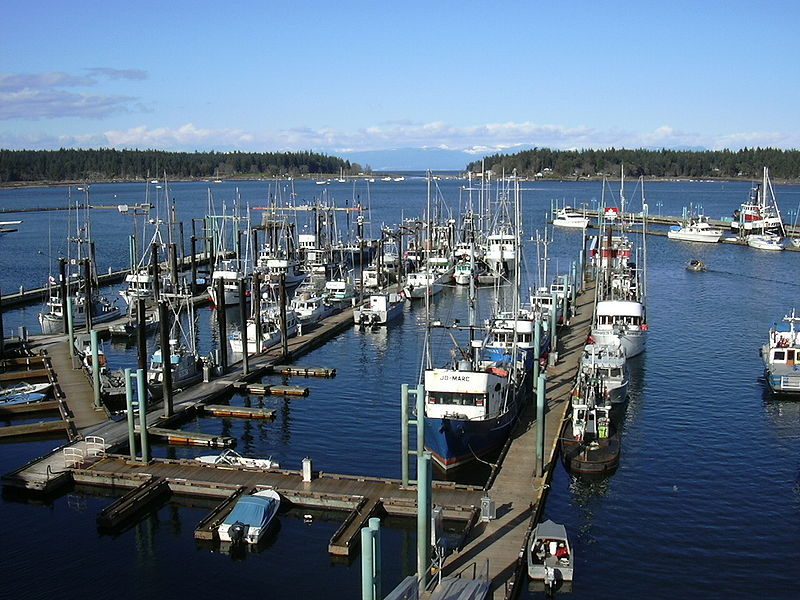
Nanaimo is located on the east coast of Vancouver Island. Initially, this city was very popular for its unique layout. After all, its streets diverge from the shore, resembling the spokes of a wheel.
The settlement has made a significant contribution to the development of the entire province. The past events have a direct and undeniable connection with the present. It’s impossible to disagree with this fact.
Learn more about the history of this amazing city at ivancouver. (Source: nanaimo.ca)
Europeans
The first Europeans to visit the Nanaimo harbour were participants of the Spanish expedition of 1791.
The city received its modern name in 1858 to honour local indigenous peoples.
Coal mining
At the beginning of Nanaimo history, there was an attempt to open a coal mine in the Prince Rupert area, but it was unsuccessful.
In the 1850s, the leader of one of the local tribes arrived in Victoria with samples of coal.
Thus, the territory of the future city of Nanaimo began to attract the attention of the government. Then Governor James Douglas made an official visit to those lands.
Importantly, the indigenous peoples tried with all their might to maintain control over coal mining.
However, the constant hostility between the tribes over coal and the interference of miners in the process changed the situation.
Coal mining and transportation officially began near Nanaimo in 1852.
On November 27, 1854, English coal miners arrived at the site with their families after travelling for seven months on the ship Princess Royal.
Prisoner camp
At the time of the First World War, the provincial government decided to establish a camp at the Nanaimo prison to house interned prisoners. It existed from 1914 to 1915.
New source of income
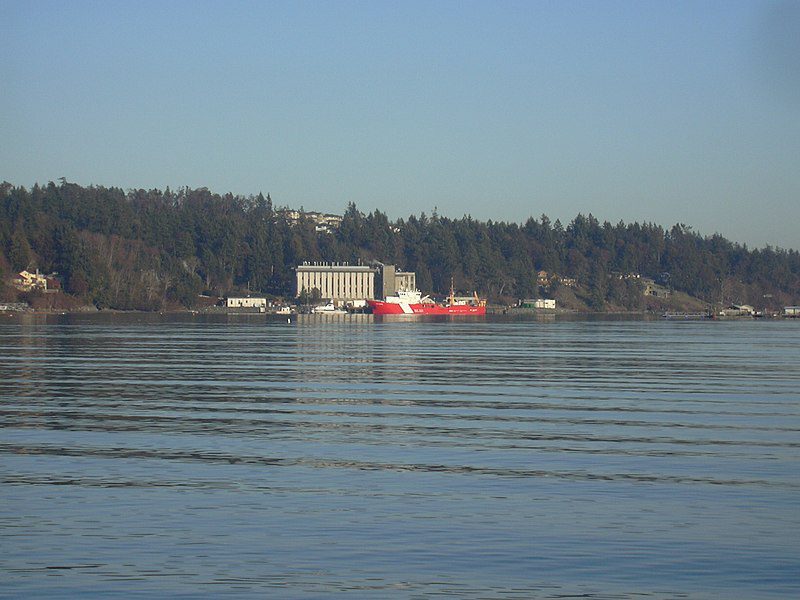
By the 1940s, coal, as the main source of income, had been significantly supplanted by lumber. To preserve the memory of the mining period in the history of Nanaimo, traditional mining holidays were celebrated in the neighbouring community of Lantzville.
Chinese immigrants
Chinese immigrants began to actively settle near Nanaimo at the end of the 19th century.
The foundation of the first local Chinatown took place back in the 1860s.
By the way, this community ranked third in terms of population and size in the entire province.
In 1884, growing racial tension led to the fact that Chinatown was moved outside the city limits.
In 1908, two Chinese entrepreneurs purchased a plot of land in the Nanaimo area. It became the impetus for creating a new full-fledged Chinatown in the province.
Unfortunately, it was destroyed by fire on September 30, 1960. However, the place was almost abandoned even before this tragedy.
Photo source: wikipedia