
HIV/AIDS is one of the most terrible and global problems of the 21st century. Many people end their earthly journey quickly after being given this unfortunate diagnosis.
However, some infected people not only continue doing their job but also try to bring maximum benefit to others. Moreover, people with a fatal diagnosis often seem to be in a hurry to live and accelerate the pace of life, hoping to catch up with as much as possible before the inevitable end.
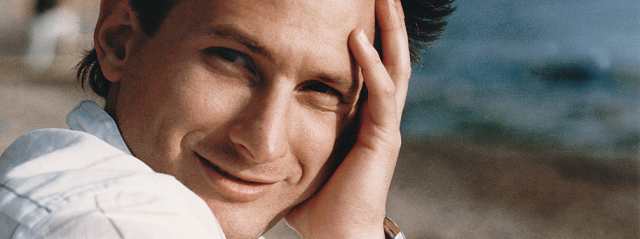
Peter Jepson-Young is remembered in Canada as a doctor who was engaged in promoting awareness and education about HIV/AIDS in the 1990s. He also hosted a series of TV segments called The Dr. Peter Diaries. Thus, the doctor managed to document his personal experience as an AIDS patient. The documentary about Peter’s life, which was filmed a year after his death, was nominated for an Academy Award.
Having learned about a terrible diagnosis, Peter not only didn’t give up but, as we indicated above, lived “at higher speeds”.
When Peter Jepson-Young felt that he couldn’t continue medical practice lacking strength taken away by the disease, he decided to start a new project. As it turned out later, it brought great benefit to people and also helped to lift the curtain on the physical and emotional state of AIDS-diagnosed people.
Learn more about the life path of Peter Jepson-Young at ivancouver. (Sources: drpeter.org, imdb.com)
Early years and a terrible diagnosis
Peter Jepson-Young was born in British Columbia in 1957 and spent all of his childhood in Nanaimo. After Peter graduated from high school in 1975, he became a medical student at the University of British Columbia.
Having successfully completed his residency and medical training, he was given a terrible diagnosis, AIDS, on September 29, 1986.
As of the 1990s, the doctor managed to live longer than other residents of British Columbia with this diagnosis.
Creation of a TV programme
In 1989, Peter understood that he couldn’t continue his medical practice because of his poor physical state. Later, he became interested in educating the public about AIDS. It prompted him to start broadcasting The Dr. Peter Diaries on TV. Thus, Peter shared his thoughts and worries with viewers.
The series consisted of 111 episodes, which were broadcast from 1990 to 1992.
Foundation
Importantly, shortly before Peter passed away, he founded the Dr. Peter AIDS Foundation.
In turn, the foundation established the Dr. Peter Centre, which included a specialized nursing care residency and a daycare programme designed to support people with HIV/AIDS.
Thus, Peter Jepson-Young managed to go down in history as a doctor with great strength of spirit and a big brave heart. After all, only a courageous person isn’t afraid to look death in the eye and knowing the inevitability of a quick end, engage in activities that will be as useful as possible for others.
In addition to their social value, Peter’s programmes helped him too. Thus, he wasn’t left with a terrible diagnosis face to face. He had the opportunity to share his feelings with his viewers.
The Dr. Peter Diaries is rightly considered a revelation of a person with a terrible AIDS diagnosis.
Photo source: drpeter.org