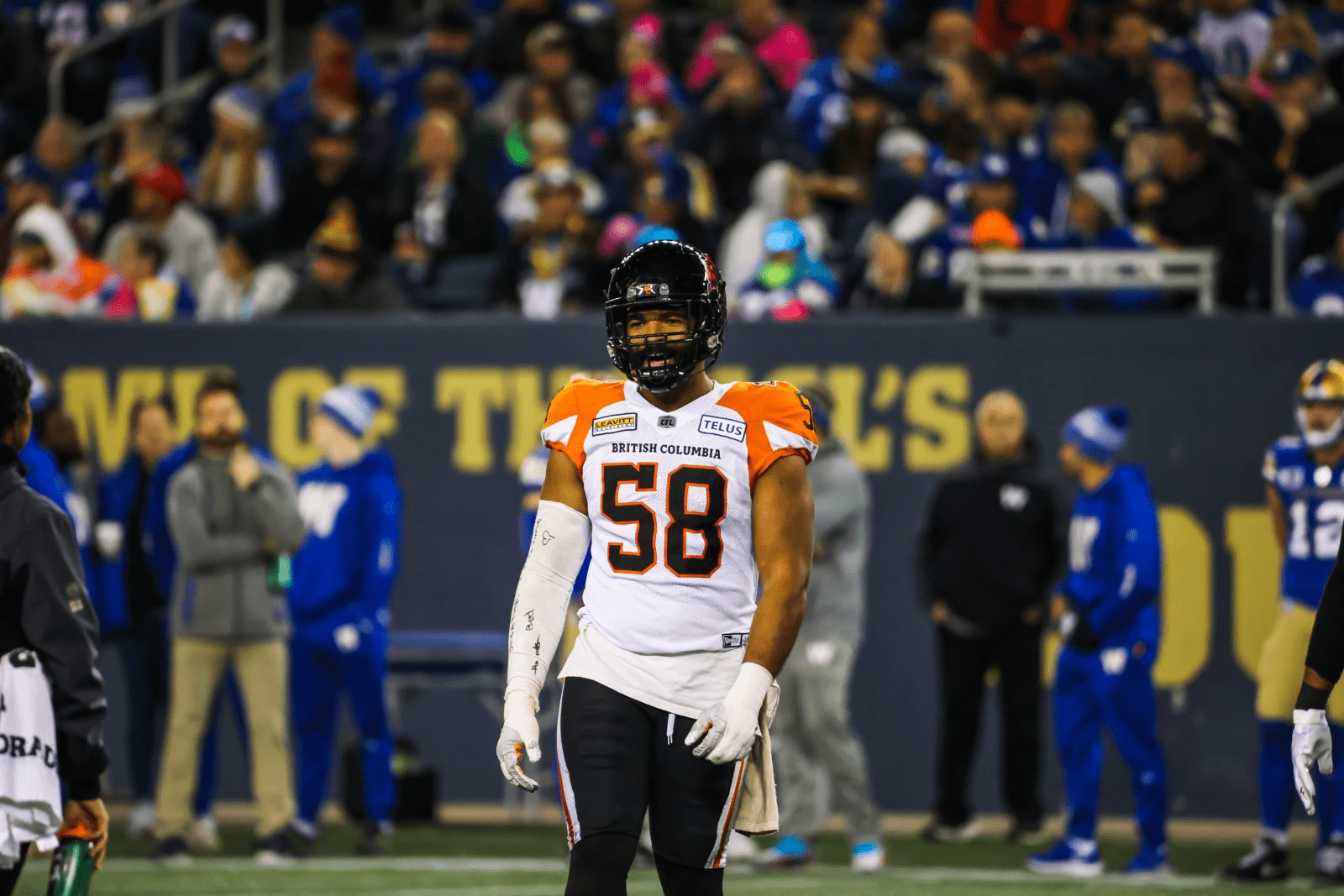

BC Lions is a Vancouver-based team playing Canadian football, writes ivancouver. They belong to the Western Division.
In this article, referencing bclions.com, we delve deeper into the history and milestones of this iconic team.
Beginnings of History
In 1941, the first Vancouver club joined the Western Interprovincial Football Union (WIFU).
In 1942, operations were halted due to World War II. The club never re-entered the Union afterward.
In 1951, the club began preparing to rejoin the Union.
To attend the league’s annual meeting, the club management was asked to provide a $25,000 deposit as proof of the organization’s credibility.
Despite All Challenges
In 1952, the Vancouver representatives gathered the required funds. However, the league’s other teams protested against accepting Vancouver into their ranks.
Nevertheless, the club persisted in its attempts to join the league.
By sending a delegation to the next meeting, they managed to secure acceptance with conditions: construction of a 15,000-seat stadium, sale of 6,500 season tickets, and a guarantee of covering transportation costs for fans.
When Vancouver hosted the 1954 games, the club gained significant support. This event signaled the beginning of Empire Stadium’s construction.
Choosing the Name
Spring 1953 marked the selection of the team’s first head coach and a contest to determine its name.
The name “BC Lions” was chosen, inspired by the Twin Peaks visible from any part of Vancouver. According to legend, the peaks represent two lions guarding the city.
Additionally, the coach decided the team would represent the entire province of British Columbia, not just Vancouver.
An Unsuccessful Start
In 1954, BC Lions played their first season, marked by a rough beginning.
The inaugural regular game occurred on August 28.
The season ended with one win and 15 losses.
In 1955, their performance significantly improved.
The 1959 season became the team’s best yet, earning them a spot in the playoffs. However, the semi finals ended in defeat.
Significant Events
1961 was a catastrophic year for the BC Lions. Yet, it brought two pivotal developments: the hiring of a new interim coach and the acquisition of a quarterback from another team.
Improved Performance
In 1963, the BC Lions reached the Western Division Championship and advanced to the Grey Cup final. However, they were unable to win.
In 1964, the team won the Western Division championship again and secured a decisive victory in the Grey Cup final.
Despite this success, they missed the playoffs in the next three seasons.
Transitions
Over the next nine years, the BC Lions experienced multiple coaching changes and reached the playoffs three times.
The team also saw changes in its general management.
After the 1976 season, sweeping changes occurred within the coaching staff.
In 1977, the club achieved a series of victories in the Grey Cup. During the Western Division semifinals, they delivered a spectacular performance.
Player Injury
In 1978, the team failed to make the playoffs. The following season began with a knee injury to a key defensive player, leading to a loss in the semifinals.
Building Against the Odds
Although the team missed the playoffs in 1980, the decision to build a new domed stadium remained firm, as the state of the existing stadium adversely affected the team.
In 1981, the team returned to the playoffs, secured third place, and reached the Western Division final.
Repeat Championship
In 1983, BC Lions moved to BC Place Stadium, their new home.
The team won 11 games that season, earned the Western Division championship, and reached the Grey Cup final.
The following season, the Lions led again but missed the final due to a defensive injury.
In 1985, the season improved dramatically. After a redemption win, the team reached the final and secured their second championship.
Ownership Changes
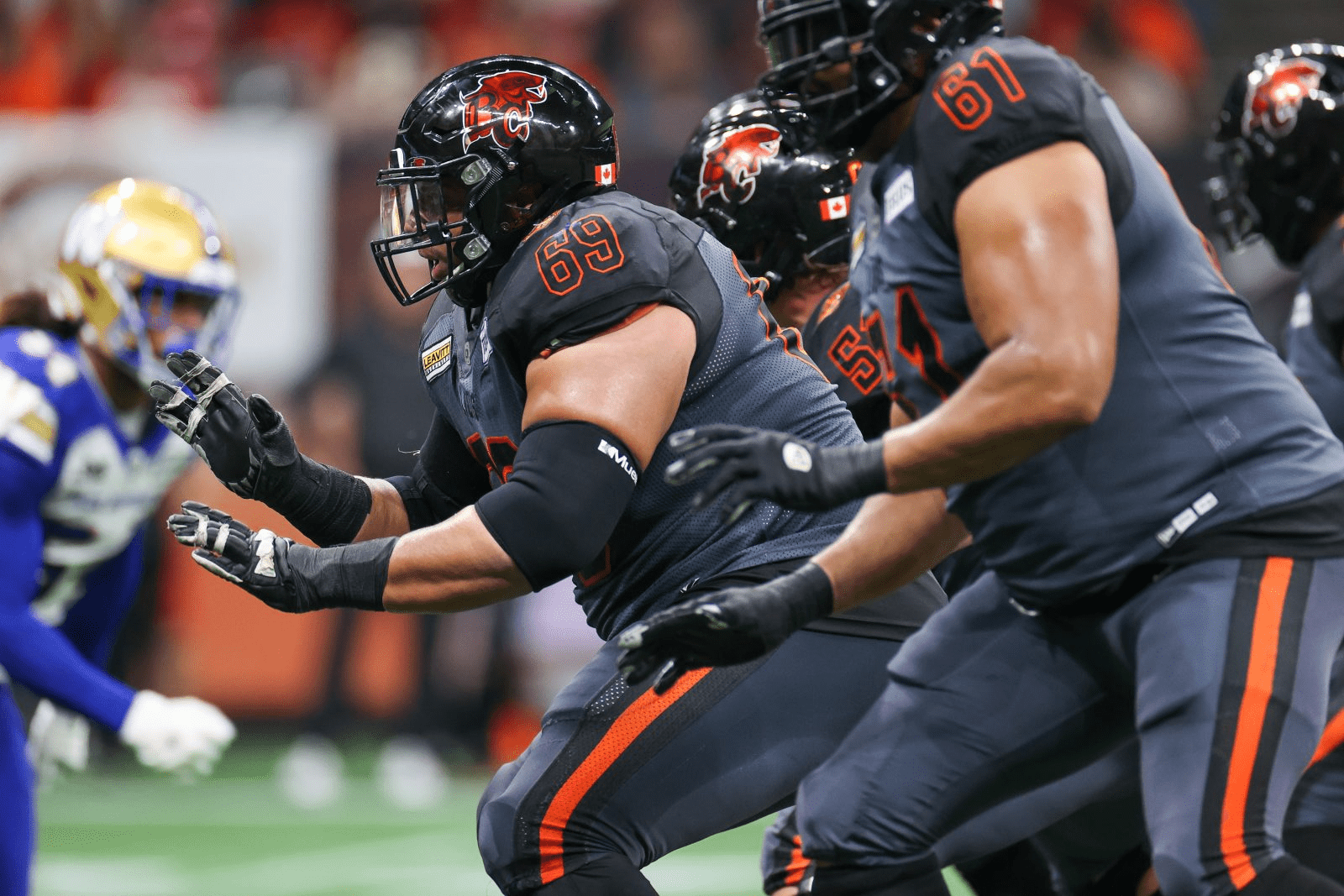
In 1988, the BC Lions claimed third place in the final and defeated their opponents in the playoffs, advancing to the Grey Cup final once more.
In September 1989, businessman Murray Pezim acquired the club. By 1990, he implemented numerous changes, but these did not yield better results, and the season ended poorly.
In 1991, results improved slightly, though the team remained in third place.
The 1992 season saw disastrous results, with only three wins and 15 losses.
The owner declared bankruptcy, and the team returned to league ownership.
In 1993, the new management recruited veteran players and promising rookies. Although the season began optimistically, it ended with defeats in the Western Division semifinals.
1996 was tumultuous for the BC Lions.
A new head coach and investors joined the team, but they could not elevate its performance, leading to another bankruptcy. The team reverted to league ownership.
In October 1996, businessman David Braley purchased the team.
A Good Showing
In 1997, the club changed coaches again. Despite finishing in fourth place, they reached the playoffs because their results surpassed the third-place team.
Ambiguity
The year 2000 was a mixed bag for the BC Lions. Several key players retired, yet the team managed to finish in third place and win the Grey Cup final by a significant margin.
The 2001 season started poorly, and despite hopes of making the playoffs, the team lost.
Defying Setbacks

In 2003, a leading coach from another Canadian team took charge of the BC Lions, but they faced a loss.
In contrast, 2004 saw success in the Grey Cup final.
By 2007, the team became champions for the fourth time, though they failed to claim another Grey Cup victory.
The 2008 Western Division final ended in another defeat.
In 2009, the team faced challenges due to the departure of key players and multiple quarterback injuries.
Despite finishing in fourth place, the BC Lions managed to reach the playoffs.
More Victories
In 2010, the BC Lions played at a temporary venue, Empire Field. The season was average, with record-breaking stats, but the semi finals ended in defeat.
In 2011, the team overcame setbacks, winning 11 games and claiming first place in the Western Division.