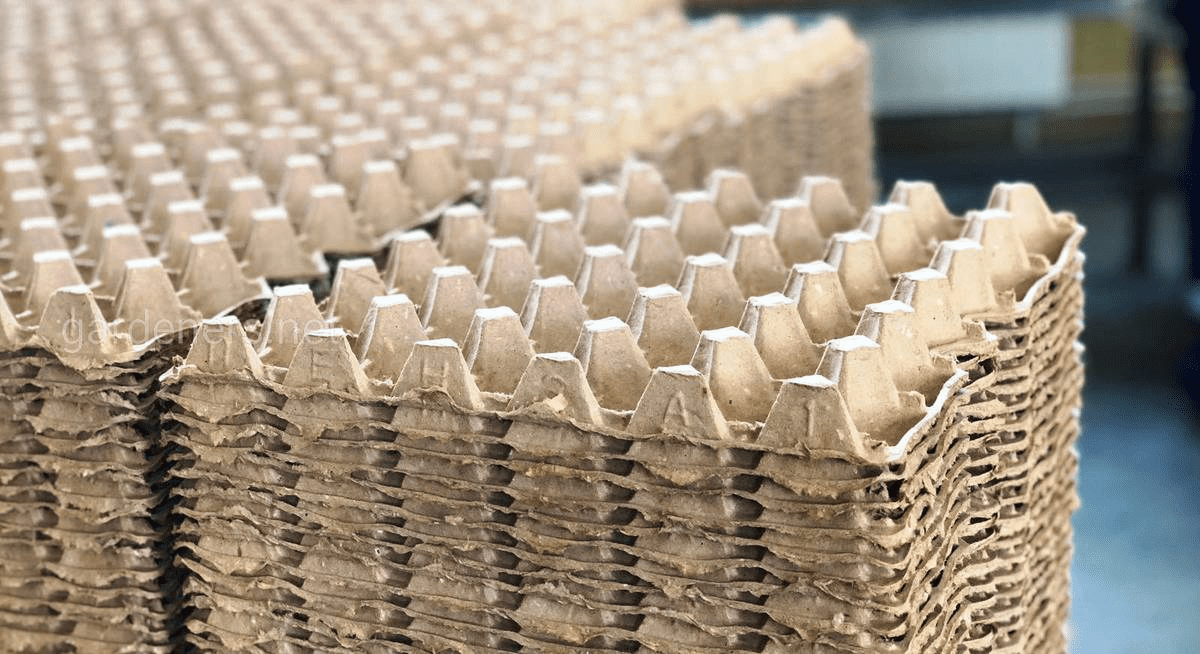

The simple yet essential cardboard egg carton only emerged in the early 20th century. Before its invention, suppliers and farmers faced significant challenges in transporting eggs, as breakage was common and caused widespread dissatisfaction among customers.
Joseph Coyle, a newspaper publisher with no prior involvement in egg distribution or packaging, took it upon himself to solve this problem. His creation, the egg carton, remains the standard method of transporting eggs today. Learn more on ivancouver.
An Overheard Conversation That Changed the World
The first egg packaging design was invented in 1906 by Thomas Peter Bethell. It consisted of a frame made of interwoven cardboard strips where fragile eggs were placed. This frame was then transferred into a cardboard or wooden box for transport. However, this method failed to gain widespread use.
Joseph Coyle’s opportunity arose by being in the right place at the right time. While working as a publisher in an office near a hotel, he overheard an argument between the hotel owner and a local farmer. The dispute revolved around the farmer’s frequent delivery of broken eggs to the city. At the time, eggs were typically transported in baskets with layers of sawdust or hay between them. This process was time-consuming, and with transportation over bumpy dirt roads by horse-drawn carts, breakage was inevitable.
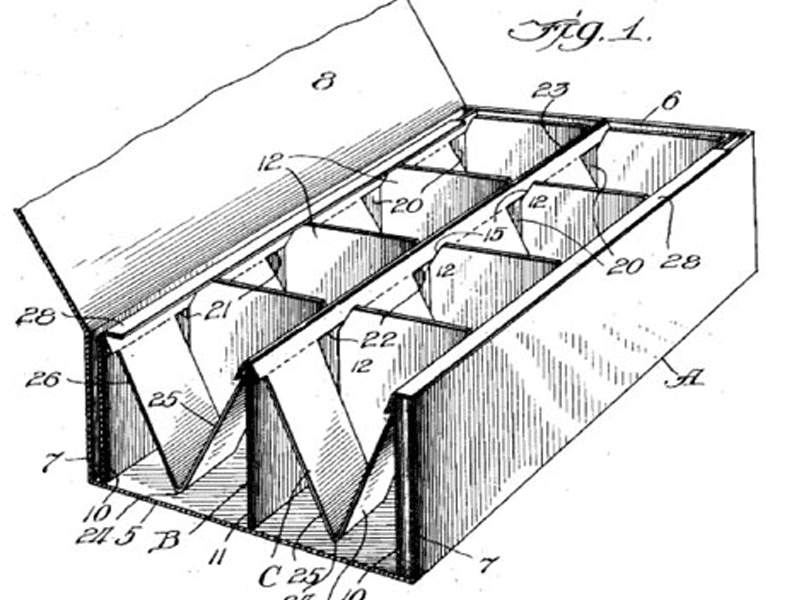
In addition to publishing, Coyle was interested in engineering. He began devising a method to improve egg transportation and ensure their safe arrival. In 1911, he developed the first egg carton, handcrafted from newspaper and featuring soft individual compartments to protect each egg. Coyle patented his design in Canada and the United States.
The diagram below illustrates the structure he patented in 1918.
Business Success Takes Off
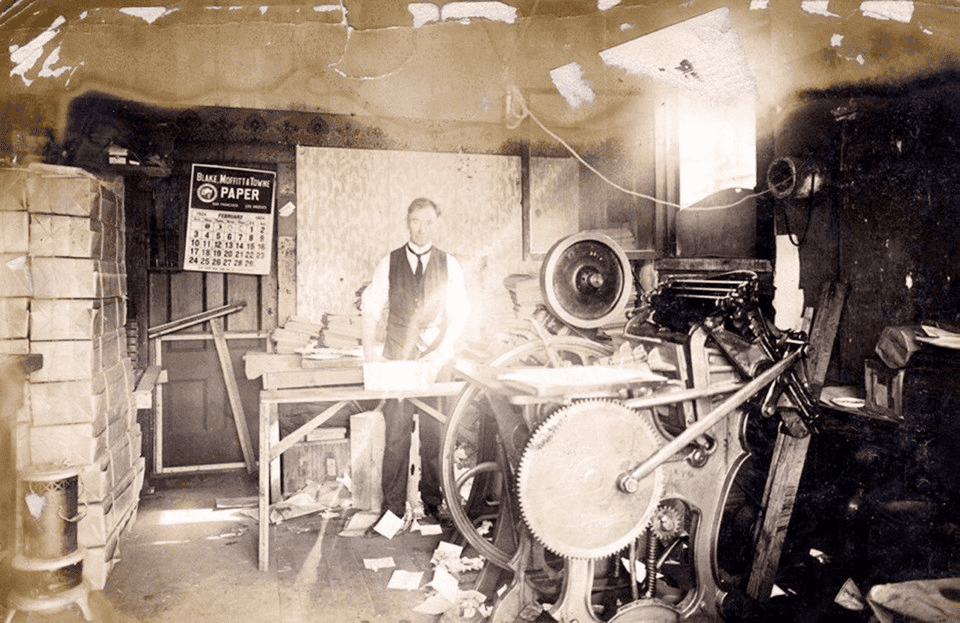
Initially, Coyle handcrafted his egg cartons. Over time, he constructed a machine to mass-produce them for sale. As demand for his cartons grew, Coyle founded the Egg Safety Carton Company. His cardboard carton quickly became an essential tool for safe egg transportation. It was marketed under the slogan, “It saves more than it costs.”
Coyle eventually left publishing, sold his newspaper assets, and focused entirely on producing egg cartons. He opened factories in Vancouver, Toronto, Chicago, and Los Angeles to meet the growing demand.
The advent of specialized egg packaging brought numerous benefits, including more efficient transportation and storage, an appealing presentation on store shelves, and faster sales since eggs no longer required weighing and repackaging. The cartons also became a valuable advertising space, featuring logos and slogans for producers and retailers.
Why Coyle Never Struck It Rich
Despite his inventive mind, which also led to creating an automotive anti-theft device and a pocket cigar-cutter, Coyle lacked strong business acumen. He sold the licensing rights for his egg cartons to other companies, which prevented him from amassing significant wealth.
In the 1930s, Coyle moved to New Westminster, near Vancouver. He passed away in 1972 at the age of 101. His death certificate noted his status as the inventor of the paper egg carton.