
Being an architect is a very important and necessary profession. Architects contributed to the creation of every modern city. These specialists develop city plans to make them more convenient and safe. However, you have to work hard to become a truly good architect.
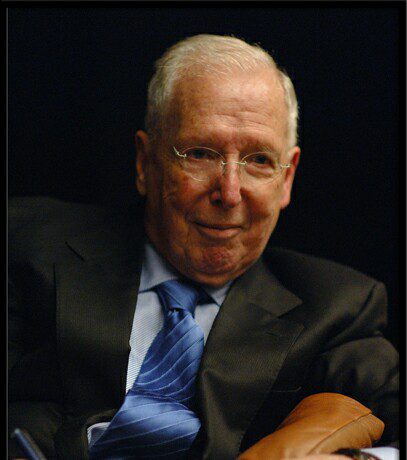
Arthur Charles Erickson is known as a Canadian modernist architect. He designed campuses for Simon Fraser University, the University of Lethbridge, the World Expos of 1967 and 1970, the Bank of Canada Building, the Canadian Chancery and many others.
The architect has been repeatedly awarded prestigious awards and titles. Each building he has created is a true work of art. Arthur was able to highlight the main features of a particular style and created bright representations of a certain architectural trend. However, he managed to develop his own personal style and was even severely criticized.
Learn more about this man, his life and achievements at ivancouver. (Source: arthurerickson)
Early years
Arthur Erickson was born in Vancouver in 1924. In addition to Arthur, his parents also raised a younger brother.
The mother of the future architect was well versed in art. Probably, that was why Arthur became seriously interested in drawing at the age of 13. When he was 16 years old, two of his watercolour pictures drew the attention of the honorary jury at one of the Vancouver exhibitions.
In particular, the boy’s work interested Lawrence Harris.
Army years
In 1942, Arthur entered the University of British Columbia. However, a year later, he was drafted into the Canadian army. At that time, Arthur began to study the Japanese language actively.
In 1943, he was attached to the intelligence corps and ended up in India.
Later, Arthur was transferred to Malaya. There, he was engaged in preparations for incursion into enemy territory, but that operation was never implemented because the war was over.
Sudden inspiration
When Arthur returned to Canada in 1946, he re-entered the university and began studying various disciplines, including diplomacy, anthropology and archaeology.
However, his career plans weren’t destined to come true again. The reason was a photograph of Taliesin by Frank Wright in the Fortune magazine. The young man was so impressed by the creative possibilities of architecture that he clearly realized his desire to connect his life with this profession.
In 1946, he entered McGill University. Arthur Erickson turned out to be a very successful student. Wright even invited him for an internship. However, Arthur refused and preferred to devote the next three years after graduation to studying art in different countries before returning to Vancouver.
Success
In 1953, Arthur took up private practice in his native Vancouver. At the same time, he began to teach at the University of British Columbia. He was engaged in teaching activities for ten years.
An important success for Arthur Erickson’s firm was that it won a competition for the best university campus project in 1963. Thus, Arthur received numerous orders and general recognition.
Reorganization
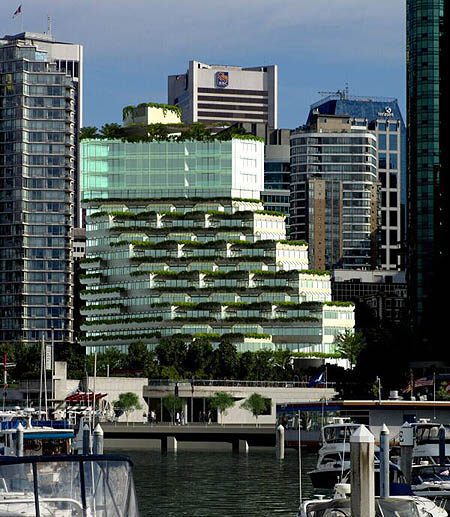
In 1972, Erickson’s firm underwent a reorganization. At that time, he worked on the creation of a building that would later house the provincial government and the Vancouver court. The architect also designed the new Vancouver Art Gallery, a bank building, a concert hall and the Canadian Chancery building in Washington.
Forced closure
Later, Arthur’s firm began to open branches in the United States, Canada, and the United Arab Emirates.
Still, business didn’t bring him as much success as art. Therefore, his firm was literally mired in debt by the 1980s. Arthur had to close all of its branches and even declared bankruptcy in 1992.
Successful collaboration
Later, Arthur Erickson began collaborating with well-known architectural firms. Their owners were Nick Milkovich and Don Stanley.
The Washington Museum of Glass was one of his most important works of that period. The main element of this building was a 27-meter steel cone.
Later, Erickson and Milkovich took up the creation of a residential complex in the central part of Vancouver.
End of the earthly journey
During the last years of his life, Arthur was very ill. He began to forget a lot. Almost on the eve of his death, he left his house and moved to a boarding house, where he was provided with constant care.
The famous Vancouver architect passed away in the spring of 2009.
Achievements
In 1972, Arthur became the main Canadian architect. According to the Canadian Encyclopedia, he is one of the brightest representatives of modernism.
Thanks to his creative approach, Arthur managed to revive modernism in the post-war period. As a result, he set the tone for the development of Canadian culture in 1951.
In addition, Erickson managed to extend architectural modernism to landscape architecture as well as urban planning. Arthur presented his artistic vision by publishing two monographs.
His projects are real megastructures.
Style characteristics
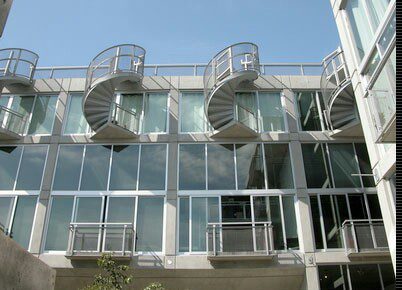
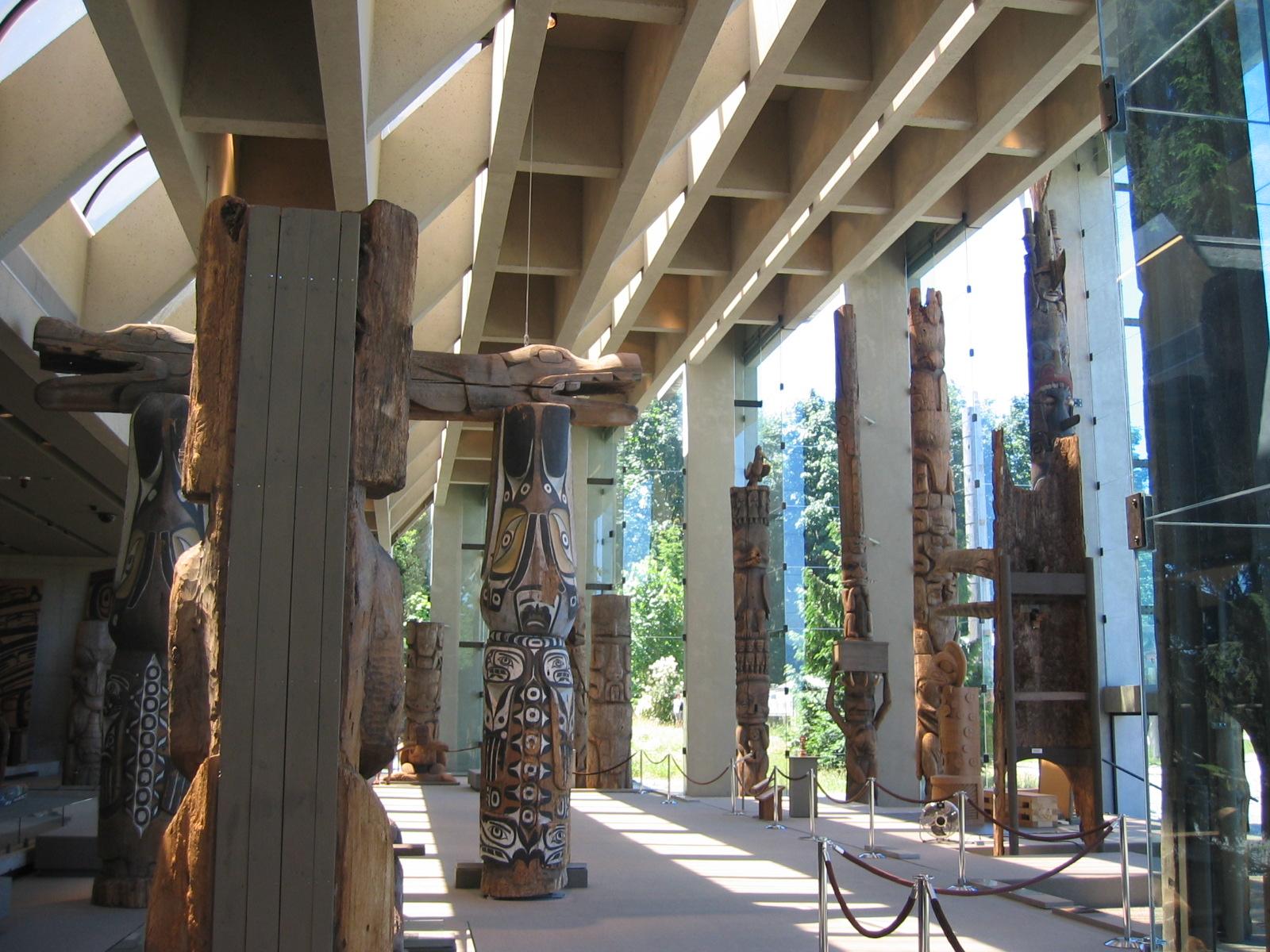
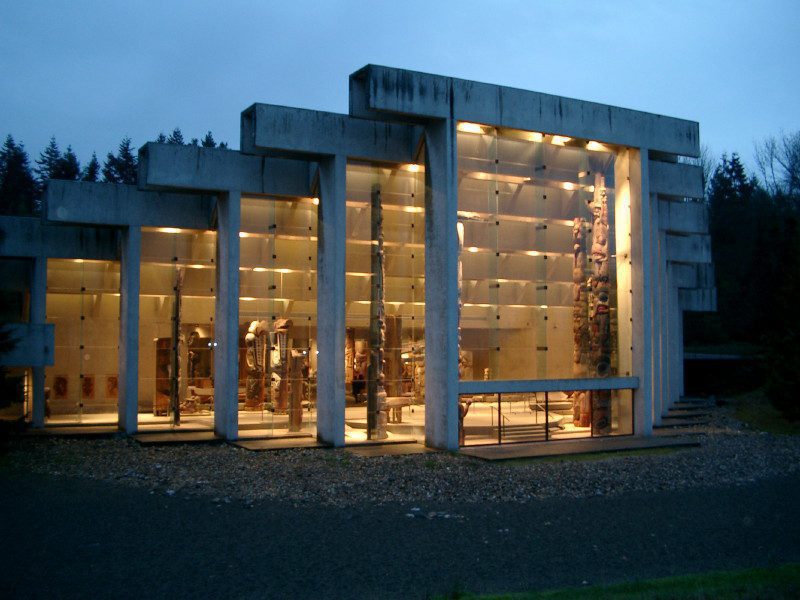
There is a common feature in all of Arthur’s projects. It is a wide and high main entrance (usually in the form of a horizontal beam with vertical columns). Experts consider this a detail from ancient Greek architecture. It can also be a hint on hospitality and shelter in the architectural traditions of the Indians who lived on the West Coast.
Thanks to a simple structure and calm colours, Erickson’s buildings are easily integrated into the surrounding landscape. When Arthur was developing a university campus, he decided to add ancient Greek motifs, drawing a parallel with the Athenian Acropolis. This project vividly demonstrates the architect’s ability to adapt his creative style to the environment. One of the building’s elements also reflects the cool and rainy climate of Vancouver.
Another example of adaptation to the environment is the building of the Canadian Chancery. It is designed in a neoclassical style, which is characteristic of the historical buildings in the American capital.
Many critics forced Arthur Erickson to rethink his own style, which resulted in a number of unsuccessful works. The Public Library is considered one of them.
Photo source: webshots