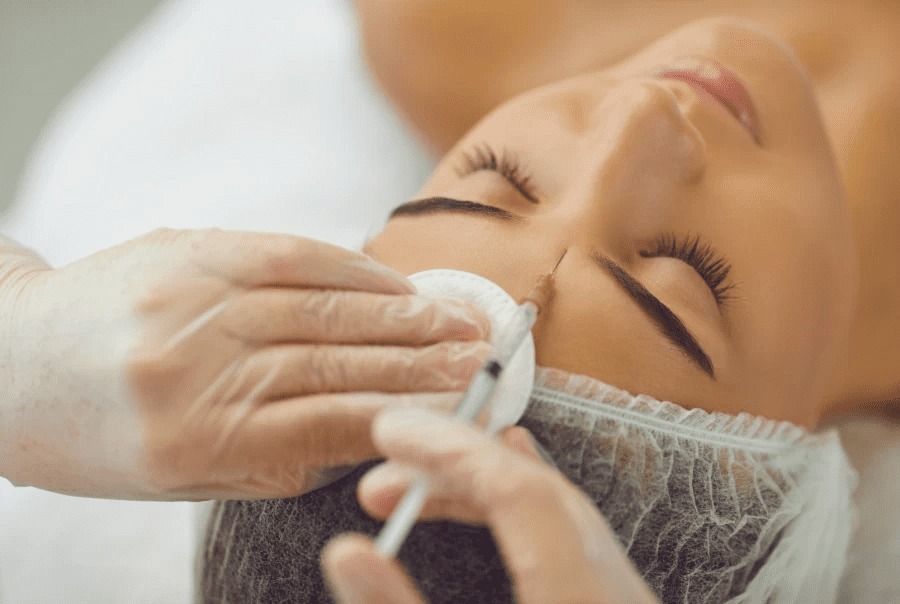

The use of Botox has become deeply ingrained in modern cosmetology. It helps preserve youthfulness in women and men by targeting one of the primary signs of aging—expression lines. This procedure is not only safe and effective for cosmetic applications but is also used to treat conditions and disorders caused by muscle spasms. However, Botox only began to be used in medical practice at the end of the 20th century. More details on ivancouver.
How a Dangerous Bacteria Led to a Beneficial Toxin
The groundwork for Botox’s use in cosmetology was laid with the discovery of the bacteria that causes botulism in 1897. The microorganism was found in homemade ham that led to the deaths of three people and severe illness in several others. Microbiologist Emile van Ermengem successfully isolated the bacterium, Clostridium botulinum, from the meat and the victims’ spleens. This marked the beginning of research into this microorganism and the action of its toxin.
In the late 1960s, Edward Schantz and Alan Scott began testing botulinum toxin on animals. Their experiments revealed that the toxin could treat excessive sweating, strabismus, blepharospasm, and esophageal narrowing—conditions characterized by excessive muscle tone. This was because botulinum toxin exerts a neuroparalytic effect that relaxes muscles.

How Botox Found Its Way into Cosmetology
Jean Carruthers was among the first doctors to notice Botox’s rejuvenating effects. She prescribed botulinum toxin for patients with blepharospasm, a condition where spasms cause eyelids to close involuntarily. One patient returned after treatment and requested another injection. When Jean explained it was unnecessary because the blepharospasm was cured, the patient remarked that the injections had not only relieved her spasms but also relaxed the muscles around her eyes, giving her face a smoother and more serene appearance.
Jean shared this observation with her husband, Alastair Carruthers, who was also in the field of cosmetology and searching for skin rejuvenation methods. Alastair had been attempting to treat wrinkles with collagen infusions but with little success.
The next day, Jean administered an injection to her secretary, Cathy Bickerton, who had a deep frown line between her eyebrows. Within three days, her skin smoothed out. Delighted by the results, the couple began seeking more patients.

Unlike other researchers, the Carruthers did not merely hypothesize about using botulinum toxin for cosmetic purposes. They conducted clinical trials with healthy individuals whose only concern was glabellar lines (frown lines between the eyebrows).
Years passed before the concept of injecting a potentially deadly toxin into people’s faces became a standard practice. According to Jean Carruthers, their colleagues were initially horrified by these new injections.
The couple published their first article on the subject in 1991. To prove the procedure’s safety and effectiveness, Jean Carruthers used her own face as a demonstration. Their research was featured in numerous publications, including Best Doctors in Canada, The New York Times, Allure Magazine, Time, Newsweek, and Vogue.

How Botox Works
Botox treatments involve injections that bind the substance to nerve endings, preventing the release of a neurotransmitter called acetylcholine, which is responsible for muscle activity. Following a Botox injection, acetylcholine-induced spasms stop, and Botox effectively paralyzes muscle activity. This helps halt spasms and smooth out wrinkles.
Botox treatment also affects the body’s pain receptors, allowing it to be used to treat chronic headaches and migraines.