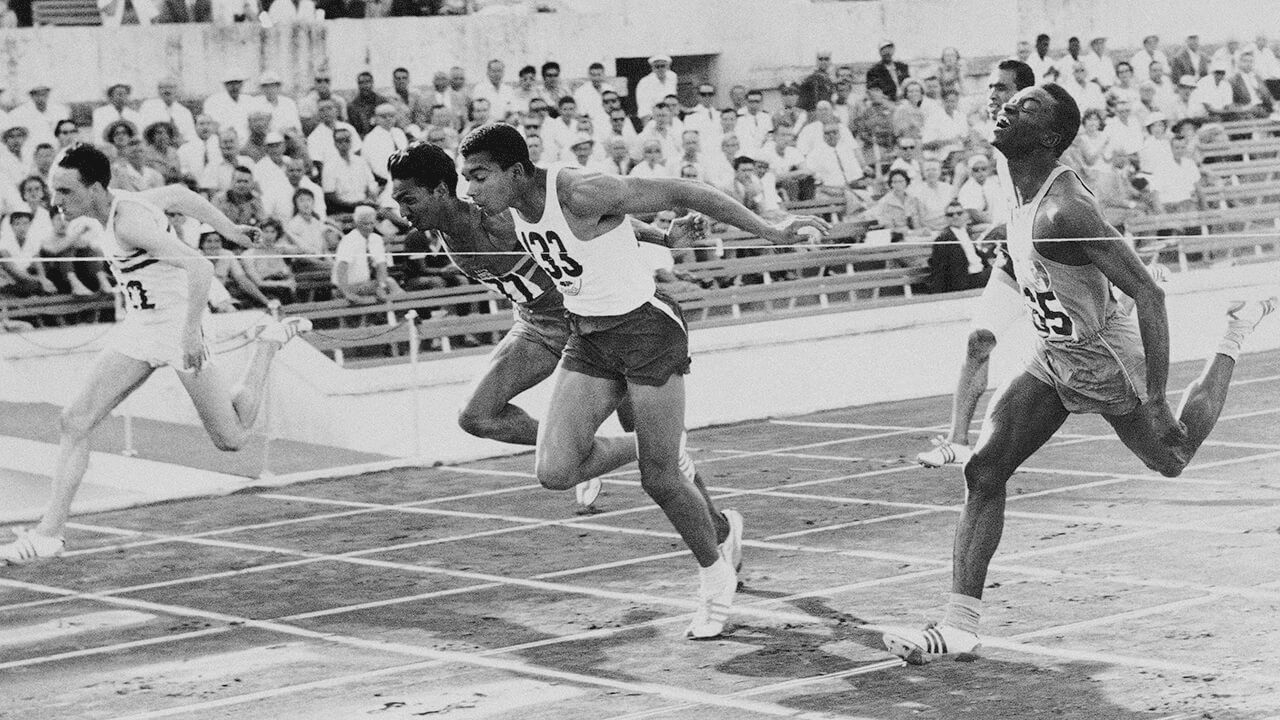

“Sportsperson of the Century”—this is how British Columbia hailed the renowned Canadian athlete Harry Jerome. For eight years, he held the title of “The Fastest Man in the World,” having set a world record for the 100-metre sprint with a time of 10 seconds in 1960. But why wasn’t he awarded the title outright, and how did he confront racism during his career? More in the article from ivancouver.
Childhood of the Athlete
Harry Winston Jerome was born on September 30, 1940, in Prince Albert, Saskatchewan. The eldest of five children, he grew up in a sports-oriented family. His grandfather, John Howard, was Canada’s first Black Olympian, competing in the 1912 Summer Olympics. His sister, Valerie Jerome, also participated in the 1960 Summer Olympics in Rome, running the women’s 100-metre race.
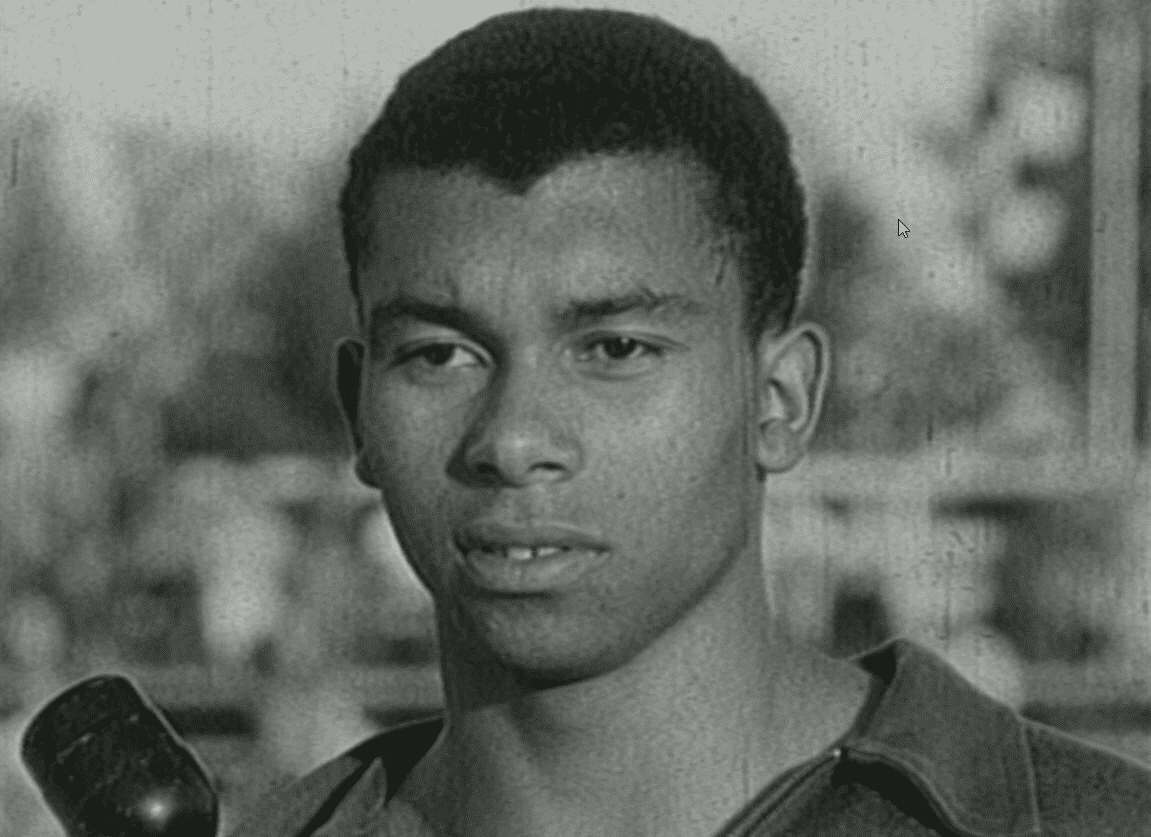
At age 12, Harry’s family moved to Vancouver, where they encountered racial discrimination. Local residents resisted the family’s efforts to purchase a home in their neighborhood, making it clear they were unwelcome as the only Black family in the community.
Early Steps in Sports
Harry excelled in various sports at school, including baseball, football, rugby, and hockey. However, despite his athletic talents, teams often refused to accept him because of his race. His greatest success came in running.
In 1959, while still in high school, Harry broke the Canadian record for the 220-yard sprint (approximately 200 metres), a record that had stood for 31 years and was previously held by Percy Williams. This accomplishment caught the attention of the University of Oregon, which offered him an athletic scholarship.
A World Record That Wasn’t Official
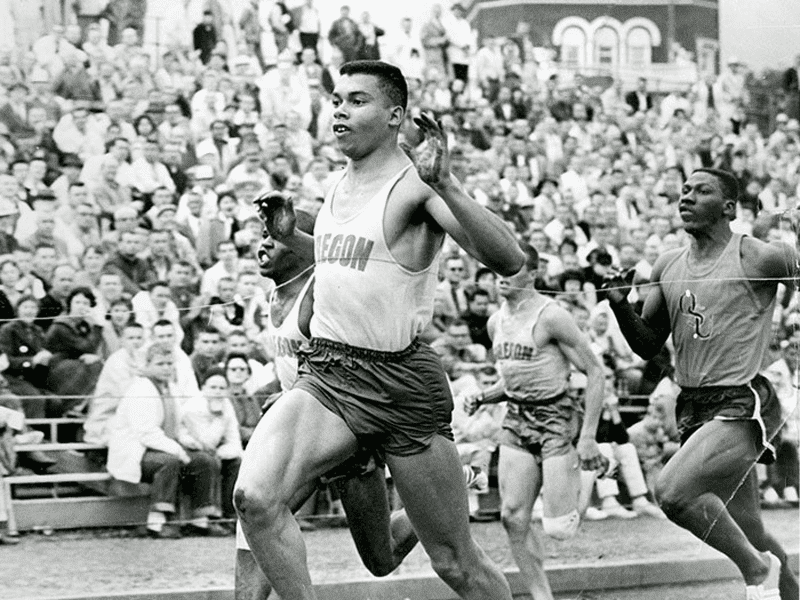
During his career, Jerome set seven world records. Among them was the 100-metre dash in 1960. At just 19 years old, he completed the distance in 9.9 seconds, breaking the existing world record of 10 seconds set by German sprinter Armin Hary. However, officials refused to accept such a result, rounding his time up to 10 seconds. This forced Jerome to share the title of “The Fastest Man in the World” with Harry.
A year later, the Vancouverite set a world record for the 100-yard sprint, covering the distance in 9.3 seconds. This made him one of the few athletes to hold world records for both the 100-yard and 100-metre distances simultaneously. Two years later, he improved his 100-yard time to 9.2 seconds. In 1966, at the British Commonwealth Games in Jamaica, he ran it in 9.1 seconds, earning his first gold medal at a major international competition.
Competing on the World Stage
Harry Jerome first competed in the Olympics in 1960, representing Canada alongside his sister Valerie.
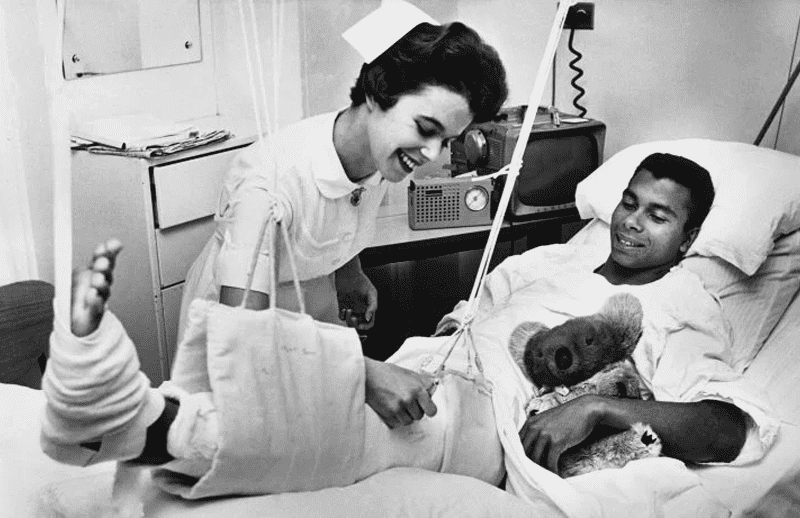
In 1962, Jerome suffered a severe injury—a torn quadriceps tendon in his left leg—that could have ended his career. At the time, journalists speculated that Jerome was retiring from athletics. However, he not only recovered but returned to training and competition. In 1964, he ran 60 yards in six seconds at an indoor meet in Portland, setting a world record.
At the 1964 Tokyo Olympics, Jerome won bronze in the 100-metre sprint. Two years later, at the 1966 Commonwealth Games in Jamaica, he took gold in the 100-yard dash. He claimed another victory at the 1967 Pan American Games in Winnipeg, winning gold in the 100-metre event. At the 1968 Mexico City Olympics, Jerome reached the finals but finished in seventh place. Shortly afterward, he retired from international competition. His final race was at the 1969 Canadian National Championships, where, at age 29, he defeated Canada’s top sprinters.
Legacy and Recognition
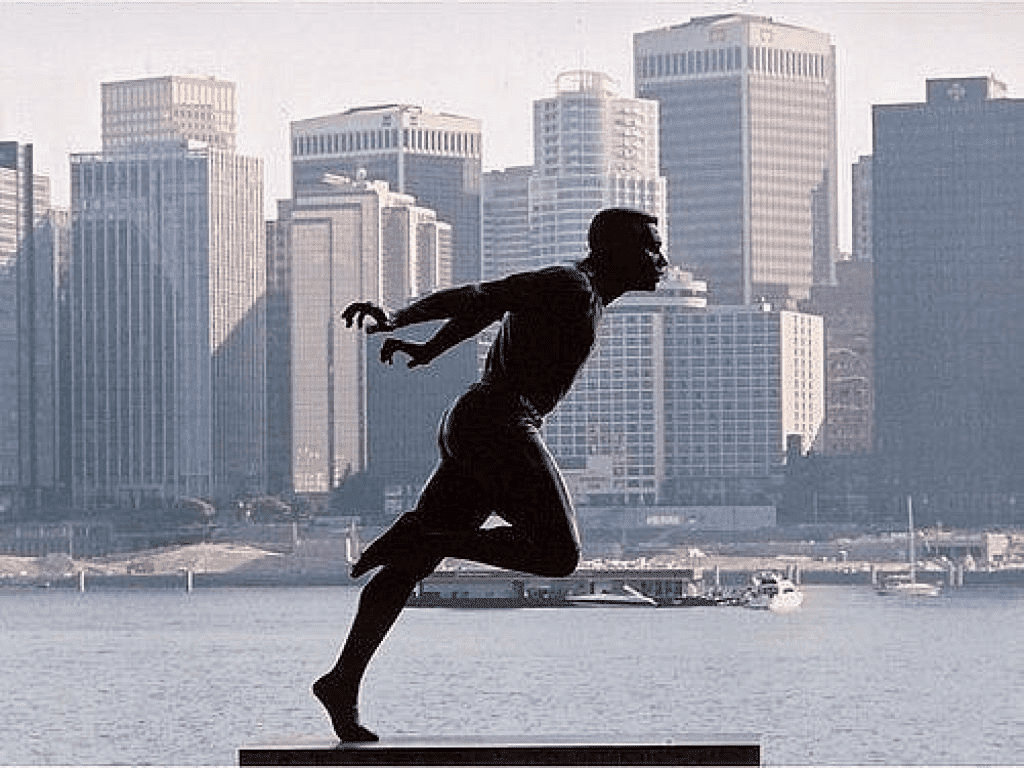
A bronze statue of Harry Jerome stands in Stanley Park, a lasting tribute to his legacy. The statue is located just a few hundred metres from where Jerome trained to set his world records.
Harry Jerome’s achievements and his perseverance in the face of racial discrimination continue to inspire Canadians and athletes worldwide. His story is a testament to resilience, determination, and the power of sport to break barriers.