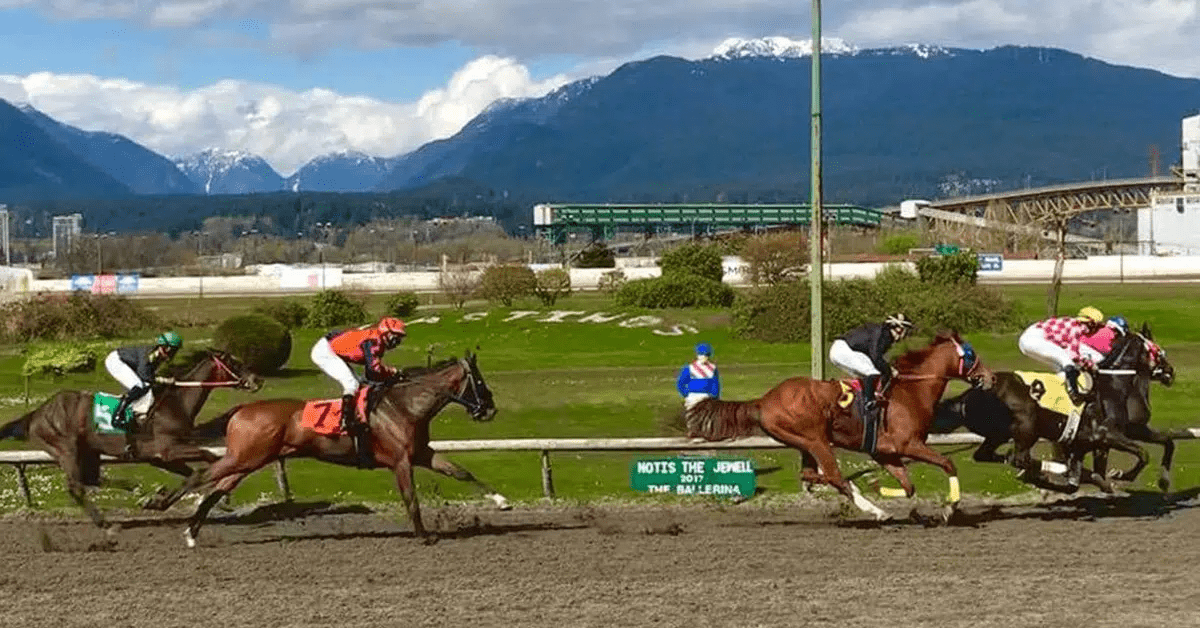

The Hastings Racecourse is one of Vancouver’s oldest sporting venues. Horse races regularly attract thousands of visitors eager to watch the horses and enjoy a day filled with excitement. However, few people know that equestrian sports in Vancouver began long before the construction of the modern racecourse. In fact, before it was built, horse races were held right on the city’s central streets. Learn more on ivancouver.
Horse Races in the City Centre
The first organizers of horse races in Vancouver were George Black and Sam Brighouse. They selected a track that started at Pacific Street in Yaletown, extended north up Howe Street, and ended near the Hotel Vancouver.
Initially, the organizers planned to use Georgia Street due to its width. However, newly felled large trees and heavy spring rains in 1887 turned Georgia into a muddy mess. As a result, Granville Street was chosen instead, stretching south toward Yaletown, with the track ready for Dominion Day races.
On that day, five horses participated in the race. These races occurred before Vancouver was officially incorporated. The first racing horses along Burrard Inlet were Brian O’Linn, owned by George Black, and Sonny Dan, whose drooping eyes gave him a sleepy appearance, inspiring his name.
The Construction of the Racecourse
In 1888, Vancouver’s city council requested land from the provincial government in Victoria to create a new city park in the Hastings area, which was still provincial property and not yet part of the city. Named East Park, it included not only walking areas but also a space designated for horse racing.
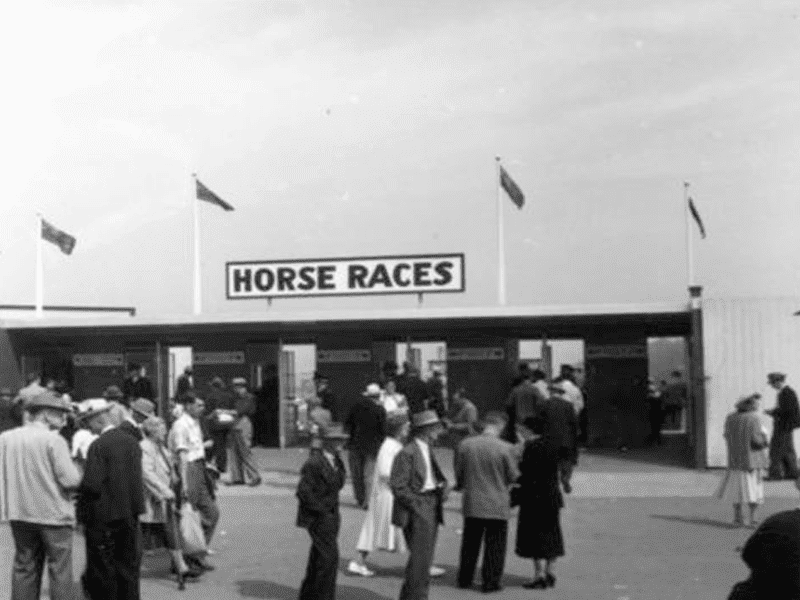
The first track opened in 1892. In 1890, the newly formed jockey club submitted another request to the provincial government to lease part of the land. As a result, approximately 15 acres of land were granted to the club for hosting races. Club members included city council members, prominent businessmen, and even a former lieutenant governor of the province.
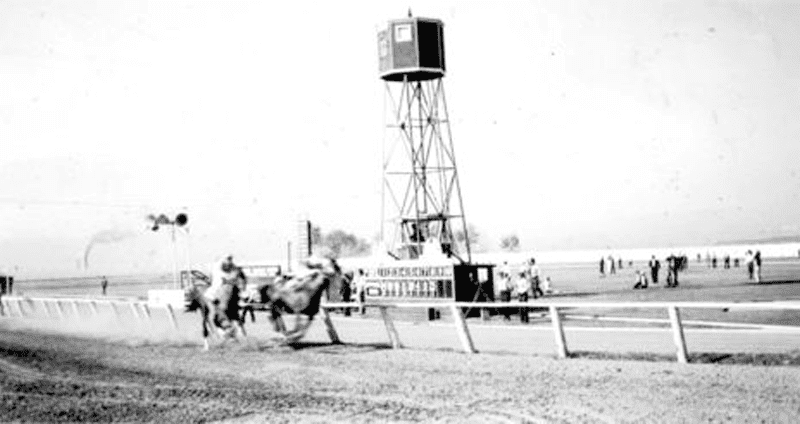
The first horses were transported by steamboat from Victoria. Reaching the track was also challenging; streetcars did not service the area until the early 1900s. Visitors had to travel by carriage along dirt roads or use a special boat service available only on race days.
Hastings Park During World War II
When Canada declared war on Japan on December 8, 1941, approximately 22,000 people of Japanese descent lived in British Columbia, most of them in Vancouver, with others scattered along the coast.
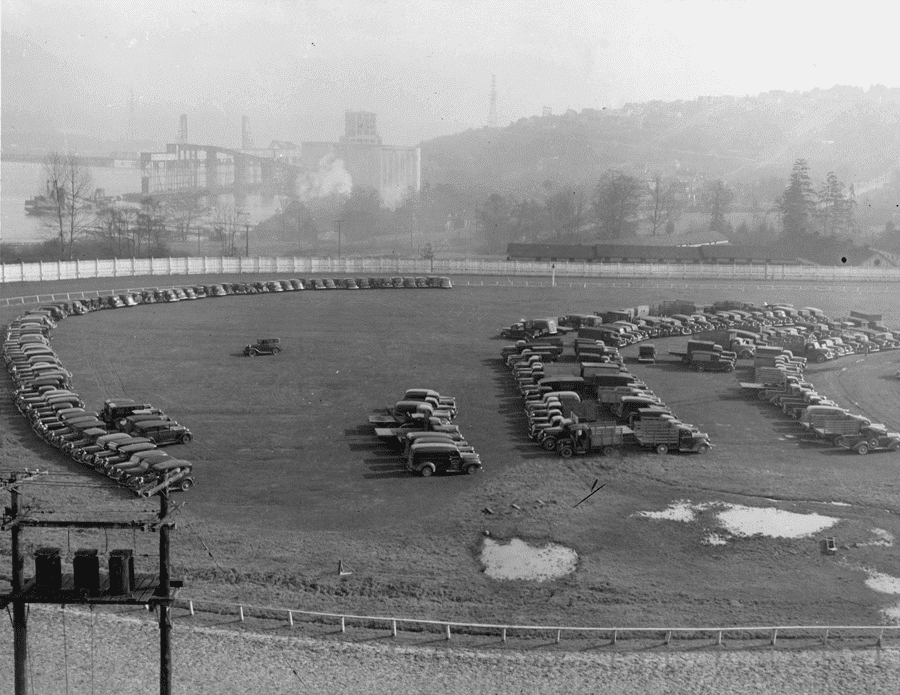
Concerns about potential threats from this community were fueled by sensationalist press coverage and widespread racist beliefs. The government increased control over the Japanese community, confiscating over 1,200 fishing boats and shutting down Japanese newspapers and schools. Male Japanese citizens were sent to labor camps, and all Japanese Canadians were required to register with the government. On February 24, 1942, Prime Minister William Lyon Mackenzie King issued a series of orders-in-council to evacuate all persons of Japanese descent to protected areas. Hastings Park was chosen as a temporary detention camp for Japanese Canadians living on Vancouver’s outskirts.
The first group of detainees arrived on March 16. At its peak, the camp housed 3,866 individuals. To alleviate overcrowding, large numbers of people were transferred daily to other locations for work or settlement. Hastings Park, used as a filtration camp, officially closed in late September 1942.
Racecourse Expansion
In the 1950s, the track was expanded to its current five-eighths-mile length. In 1965, a large grandstand was built to accommodate 5,000 spectators. Three years later, lighting was installed, marking the introduction of night races at the Hastings Racecourse.