
Canada is one of those countries where science holds a special place, writes ivancouver. Many Canadian cities are true hubs of scientific activity. Universities, laboratories, and institutes in these cities play an active role in advancing science. Vancouver is no exception.
In this city, science is one of the most developed fields. Vancouver’s scientists achieve great heights and often gain not only national but also international fame.
Notably, television careers often play a crucial role in advancing Vancouver scientists. Vancouver-based television stations actively support various scientific projects, providing scientists with a platform to share their insights and bring attention to scientific endeavors.
The scientist we will discuss successfully combined his scientific career with a television presence.
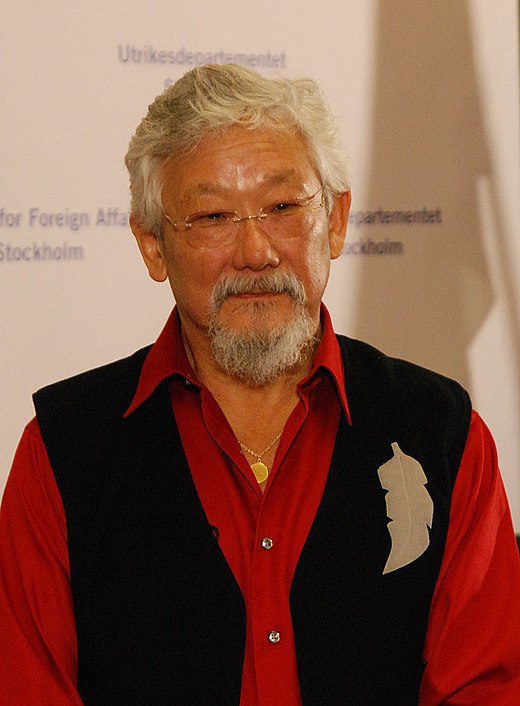
David Suzuki has earned renown as a Canadian zoologist actively promoting science. He hosted the science-documentary series The Nature of Things. In addition, he is one of the most prominent and dynamic environmental activists worldwide. David Suzuki is also a distinguished researcher and genetics professor.
Learn more about this remarkable scientist in our article, based on information from maxima-library.org.
Early Years
David Suzuki was born on March 24, 1936, in Vancouver.
From an early age, he displayed a curious mind and a love for learning. After completing high school, Suzuki enrolled in college, where he earned a bachelor’s degree.
He later pursued advanced studies at university, graduating with a Ph.D. in zoology.
Academic Career
Suzuki began his career as a junior research fellow.
From 1962 to 1963, he taught genetics at the University of Alberta.
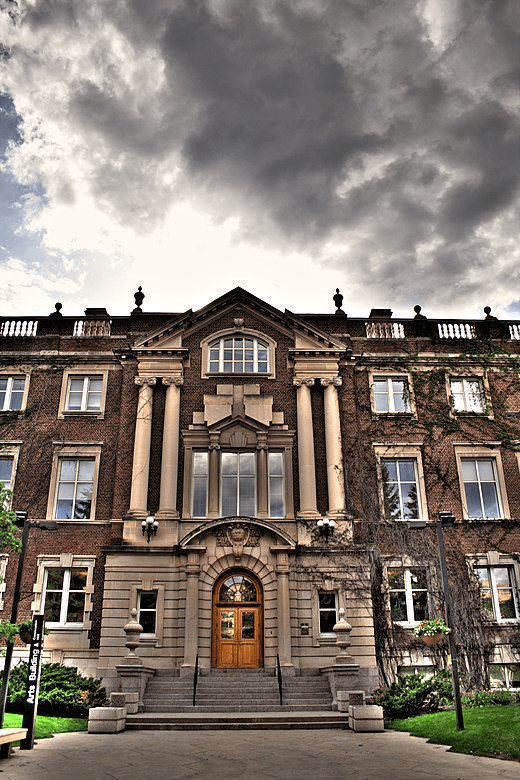
Subsequently, from 1963 to 1965, he served as a zoology lecturer at the University of British Columbia. By 1969, he had earned the title of professor of zoology.
In 1993, Suzuki took on the role of adjunct professor of sustainable development at the University of British Columbia, where he continued his academic pursuits.
Research Interests
David Suzuki’s groundbreaking research during 1969–1962 earned him a prestigious fellowship typically awarded to outstanding researchers.
His studies focused on analyzing temperature-sensitive mutations in Drosophila (fruit flies). Suzuki’s primary research area was meiosis—the division process in living cells. He was also deeply interested in mutations caused by temperature changes.
Television Career
Suzuki gained international fame when he began hosting the science series The Nature of Things, produced by the Canadian Broadcasting Corporation.
The program was broadcast in 50 countries worldwide. In each episode, Suzuki engages viewers with the wonders of nature, highlighting the importance of ecology and humanity’s role in protecting it.
An Unconventional Perspective on Science
Suzuki is known as a scientist who sees something sacred in all aspects of nature. He believes science and spirituality are deeply interconnected.
Although science is a way of life for Suzuki, he emphasizes the importance of wisdom and spirituality. He argues that every living being deserves respect—and in this, he is undoubtedly correct.